|
|
528 Chama, N.E., Albuquerque, NM 87108 http://www.cbass.com |


From The Desk Of Clarence Bass
By Clarence and Carol Bass
|
|
Four Basic Exercises for Staying Strong
The Harvard Health Letter (July 2026) published a list of exercises that can be done without equipment to help you maintain your strength as you age. For those of us that train regularly these four exercises are simple but could be used when traveling or just adding a little extra motion on non-workout days. They would be more useful for encouraging those that need some easy-to-learn motions, perhaps an aging parent.
No. 1; they call this "Sit-to-stands" which makes it easy to remember. Stand in front of a chair with arms crossed over your chest and squat down toward the chair, touch it briefly with your buttocks and stand back up, or use a pillow on the chair if that motion is too difficult. They recommend two sets of 10 with a little rest in between sets for most days of the week, progressing to a more difficult "hold the lower position for 3-5 seconds."
The practical use of maintaining strength in this motion is obvious: exiting a car, sitting on a toilet - daily motions we all use. In addition we can see that this would help with daily blood circulation.
No. 2; they call this "glute sets" and it is simply squeezing the muscles in your buttocks together, holding them, then relaxing, and can be done sitting, standing, or even lying down (they suggest doing it at red lights). Once mastered, move on to contracting one buttock at a time.
No. 3; The heel raise (familiar to most of us as a calf raise) they suggest standing on both feet and rising to the balls of your feet and then down, two sets of 10 every other day, with progression to holding the position on the balls of your feet for a few seconds.
No. 4; Single-leg stand. We have discussed this move before in relation to maintaining balance, and this article points out the strength aspect needed to maintain a one-legged position. Stand near a counter or chair for support, feet hip-length apart, lifting one foot and hold, and working up to 30 then 60 seconds.
My Take People with strength in their lower body function better as they age, and the article points to a JAMA Network Open study that showed 5,500 women studied over age 65 had lower risk of dying in the following eight years if they had greater leg strength.
One of the values of this article is that it is specific in naming muscles and giving very simple exercises to perform. We hear a lot about "just stay active to age well," and that certainly is good advice for the general populace. Without directly discussing it, this article suggests that it is helpful to know a little about your muscles so that you can get greater value from strengthening them and performing your daily activities.
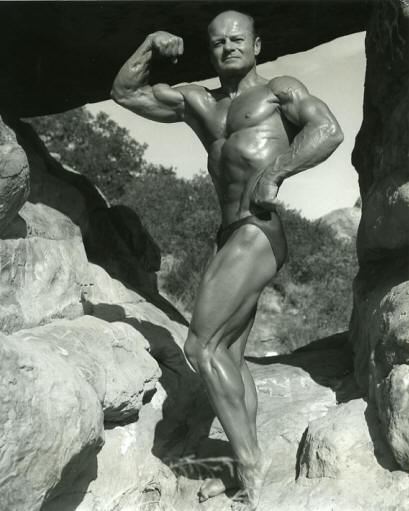
Photo by Bill Reynolds
July 1, 2026 Comment on this article: FEEDBACK
|